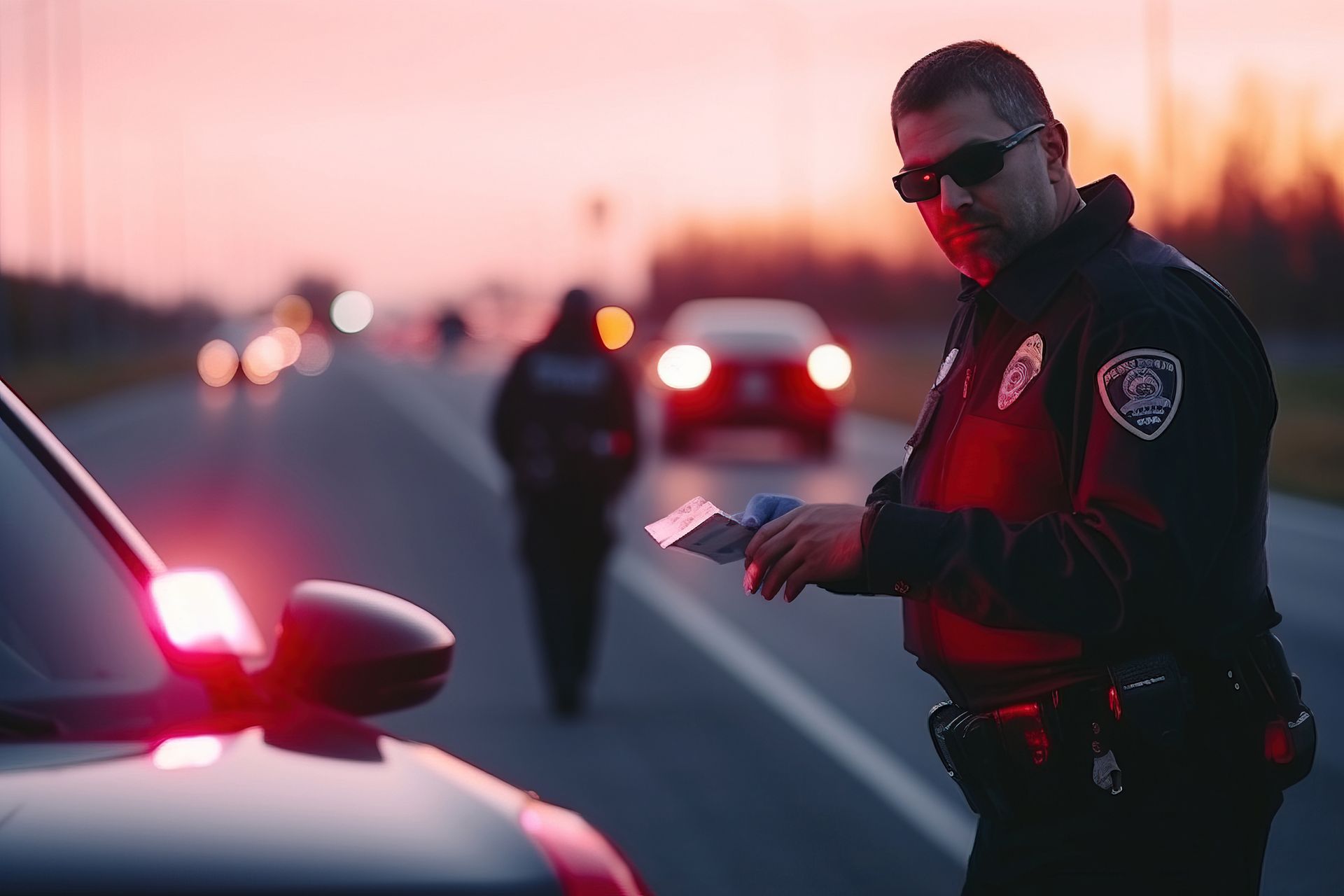

Unlawful Possession of a Firearm in Illinois Explained

March 24, 2026

Unlawful Possession of a Firearm in Illinois Explained

Gun laws in Illinois are strict, and many people are surprised to learn how easily they can be charged with unlawful possession of a firearm—even without intending to break the law. A single mistake or misunderstanding can result in serious criminal charges, including felony penalties, prison time, and permanent consequences.


If you’ve been charged with unlawful possession of a firearm in Belleville or anywhere in Illinois, understanding the law and acting quickly is critical.


What Is Unlawful Possession of a Firearm in Illinois?

Unlawful possession of a firearm generally means having a gun when Illinois law prohibits you from doing so, or possessing a firearm in a way that violates state law. These charges often arise during traffic stops, searches, or unrelated investigations.


Common situations that can lead to unlawful possession charges include:

  • Possessing a firearm without a valid FOID card
  • Carrying a concealed firearm without a proper license
  • Possessing a firearm as a prohibited person
  • Carrying a firearm in a restricted location
  • Possessing ammunition illegally


Even law-abiding gun owners can find themselves facing charges if they are unaware of specific restrictions.


Who Is Prohibited from Possessing a Firearm in Illinois?

Illinois law prohibits certain individuals from possessing firearms, including:


  • Convicted felons
  • Individuals with certain domestic violence convictions
  • Persons subject to orders of protection
  • Individuals with specific mental health restrictions
  • Those whose FOID card has been revoked or suspended


If you fall into one of these categories, possession of a firearm can lead to felony charges.


Is Unlawful Possession a Felony in Illinois?

Yes — in many cases, unlawful possession of a firearm is charged as a felony. The severity depends on factors such as:


  • Your criminal history
  • The type of firearm or ammunition involved
  • Whether the firearm was loaded
  • Where the firearm was possessed
  • Whether other alleged crimes were involved


Felony firearm convictions can result in prison time, heavy fines, and the permanent loss of gun rights.


Can You Be Charged Even If You Didn’t Know?

Yes. Illinois law does not always require proof that you intended to break the law. Many people are charged with firearm offenses simply because they were unaware that:


  • Their FOID card was invalid
  • A location prohibited firearms
  • A firearm was considered “accessible”
  • A prior conviction affected their gun rights


Unintentional possession can still carry severe consequences.


Penalties for Unlawful Possession of a Firearm

Depending on the charge, penalties may include:


  • Prison or jail time
  • Thousands of dollars in fines
  • Probation or parole
  • Permanent criminal record
  • Loss of firearm ownership rights
  • Negative impacts on employment, housing, and licensing


Because of these risks, firearm charges should never be taken lightly.


How a Gun Crimes Attorney Can Help

An experienced gun crimes attorney can:


  • Challenge unlawful searches or seizures
  • Examine FOID and licensing issues
  • Identify constitutional violations
  • Seek reduced charges or dismissal
  • Protect your rights throughout the process


Early legal intervention can significantly improve the outcome of your case.


Gun Crimes Attorney in Belleville, Illinois

At 618 Criminal Defense, attorney Richard Roustio Attorney at Law has more than 25 years of experience defending clients against serious gun and felony charges in Belleville and throughout southern Illinois. He understands how firearm laws are enforced locally and knows how to build strong, strategic defenses.


Take Action to Protect Your Rights

Gun charges can follow you for life — but you do not have to face them alone. The sooner you seek legal guidance, the more options you may have.

Handcuffs chained to a gavel and sound block, on a dark, textured surface.
February 24, 2026
Arrested for a felony in Illinois? Learn what to do next, your legal rights, and how a Belleville felony defense attorney can help protect your future.
Beer mug, car keys, and gavel on a wooden surface, suggesting a DUI or legal context.
January 27, 2026
What happens if you get a third DUI in Illinois? Learn about felony charges, penalties, prison time, and how a Belleville DUI attorney can help.
Man's clenched fist thrust forward, blurred face in background, dark setting.
December 30, 2025
Assault Charges in Illinois: What You Need to Know
Police officer writing a ticket on a roadside, with a car and person in the background during twilight.
December 2, 2025
Should I Contest My Traffic Ticket in Illinois?
Man aiming a rifle at a target in a dim indoor shooting range, representing gun charges in Chicago.
November 4, 2025
Gun Crime Convictions in Illinois: What You Need to Know
A person is sitting at a desk with a pen and a judge 's gavel.
October 7, 2025
Robbery Attorney in Belleville, Illinois: Protecting Your Rights and Your Future
A man is driving a car on a country road.
September 9, 2025
Suspended License Attorney in Belleville, Illinois: Helping You Get Back on the Road
A man in a suit and tie is behind bars.
August 12, 2025
Defending Against White-Collar Crime Charges in Belleville, Illinois
A pair of handcuffs and a judge 's gavel on a gray background.
July 15, 2025
Understanding Misdemeanor Charges in Illinois: What You Need to Know When facing criminal charges, understanding the nature and consequences of those charges is the first step toward making informed decisions. In Illinois, criminal offenses are divided into two main categories: misdemeanors and felonies. While misdemeanors are considered less serious than felonies, they can still carry lasting consequences that affect your freedom, finances, and future opportunities. This article breaks down the basics of misdemeanor charges in Illinois, including classifications, penalties, and what to expect during the legal process. What Is a Misdemeanor in Illinois? A misdemeanor is a criminal offense that carries a sentence of less than one year in county jail, as opposed to a felony, which can lead to state prison time. Misdemeanors are handled in local circuit courts and typically involve less severe conduct—but that doesn’t mean they should be taken lightly. Common Misdemeanor Offenses in Illinois:  Theft under $500 (not involving burglary or violence) Simple battery Disorderly conduct Criminal trespass Driving under the influence (first offense) Possession of small amounts of cannabis (in certain contexts) Misdemeanor Classifications and Penalties Illinois law categorizes misdemeanors into three classes: Class A , Class B , and Class C , each carrying different penalties. Class A Misdemeanor Maximum Penalty : Up to 364 days in county jail and/or a fine up to $2,500 Examples : DUI (first offense), battery, criminal damage to property Class B Misdemeanor Maximum Penalty : Up to 180 days in jail and/or a fine up to $1,500 Examples : Harassment by telephone, possession of certain fireworks Class C Misdemeanor Maximum Penalty : Up to 30 days in jail and/or a fine up to $1,500 Examples : Assault, disorderly conduct, illegal transportation of alcohol The Criminal Process for Misdemeanor Charges Understanding what to expect after being charged with a misdemeanor can make the situation less overwhelming. Here's a brief overview of how the legal process typically unfolds: Arrest or Citation – You may be taken into custody or given a notice to appear in court. Initial Hearing – The judge will advise you of the charges and your rights. Plea Entry – You can plead guilty, not guilty, or no contest. Pretrial and Negotiations – Your attorney may negotiate with the prosecutor to resolve the case without trial. Trial (if necessary) – If the case goes to court, both sides present evidence and a judge or jury determines the outcome. Sentencing – If convicted, penalties are imposed according to the class of the misdemeanor. Long-Term Impacts of a Misdemeanor Conviction Although jail time for misdemeanors is generally shorter than for felonies, the effects can linger long after the case is closed. A conviction can lead to: A permanent criminal record Difficulty finding employment or housing Loss of driving privileges (in DUI or traffic-related cases) Immigration consequences for non-citizens For these reasons, even a “minor” charge warrants careful attention and a strong legal response. Why Legal Guidance Matters Navigating the Illinois criminal court system can be confusing, especially if this is your first encounter with the law. An attorney can help you understand your options, protect your rights in court, and pursue the most favorable outcome possible—whether through dismissal, reduction of charges, or alternatives like probation or community service. If you’ve been charged with a misdemeanor in Belleville or anywhere in Southern Illinois, it’s important to act quickly. Don’t let a single mistake affect the rest of your life. Contact a Southern Illinois Criminal Defense Attorney Today At 618 Criminal Defense , Attorney Richard Roustio provides dedicated legal representation to individuals facing misdemeanor charges in Illinois. As a former prosecutor, he brings a deep understanding of how cases are handled on both sides of the courtroom. Contact us today to schedule a confidential consultation and discuss your legal options. Let’s work together to protect your future.
A woman in a yellow sweater is driving a car.
June 17, 2025
Comprehending Illinois Driver’s License Suspension and Reinstatement Laws Losing your driving privileges in Illinois can be more than just a hassle — it can interfere with your ability to work, attend school, care for your family, and maintain daily responsibilities. Whether your license was suspended for a traffic violation, DUI, or other issue, it’s important to understand how Illinois law handles license suspensions and what steps you can take to get back behind the wheel legally. This guide covers the key laws and processes surrounding license suspensions and reinstatements in Illinois. Common Reasons for Driver’s License Suspension in Illinois In Illinois, a driver’s license may be suspended or revoked for various infractions. Some of the most frequent reasons include: Driving Under the Influence (DUI) A DUI conviction often results in automatic suspension or revocation of driving privileges. Excessive Traffic Violations Drivers who accumulate too many traffic offenses in a short time frame — especially moving violations — may face suspension. Failure to Appear or Pay Fines Ignoring a traffic ticket or failing to pay court-imposed fines can result in a license suspension. Driving Without Insurance Proof of liability insurance is mandatory in Illinois. Driving uninsured can trigger a suspension. Unpaid Child Support In some cases, failure to make child support payments may lead to license suspension. Difference Between Suspension and Revocation Understanding the difference between these two penalties is key: Suspension means your license is temporarily invalid for a specific period. You can typically reinstate it after fulfilling certain requirements. Revocation is more serious. It means your license has been terminated, and you’ll need to apply for reinstatement — often through a formal hearing — once you meet eligibility requirements. Steps to Reinstate a Suspended or Revoked License The process for reinstating your Illinois driver’s license depends on the reason it was taken away and whether it was suspended or revoked. However, here are the general steps involved: 1. Serve the Suspension or Revocation Period You must complete the mandatory time period assigned by the Illinois Secretary of State before applying for reinstatement. 2. Satisfy All Court or State Requirements This may include paying outstanding fines, completing drug/alcohol evaluations, or finishing defensive driving courses. 3. Provide Proof of Insurance (SR-22) Many drivers are required to file an SR-22 certificate showing proof of high-risk insurance coverage before a license can be reinstated. 4. Attend a Reinstatement Hearing (If Required) Formal or informal hearings may be necessary, particularly in cases involving DUI or repeat offenses. You’ll need to present evidence that you’re a safe and responsible driver. 5. Pay the Reinstatement Fee Illinois requires a reinstatement fee, which varies depending on the nature of the suspension or revocation. License Reinstatement Hearings in Illinois For serious offenses, especially those involving alcohol or multiple violations, a hearing with the Secretary of State is required. There are two types: Informal Hearings: For less severe cases, such as first-time DUI or minor point suspensions. Formal Hearings: Required for more serious or repeat offenses. These are scheduled by appointment and take place at specific hearing offices. At the hearing, you may be asked about your driving history, alcohol or substance use, and what steps you’ve taken to become a responsible driver. Don’t Drive While Suspended Driving on a suspended or revoked license is a criminal offense in Illinois. If caught, you could face fines, extended suspension time, vehicle impoundment, or even jail time. It’s always better to take legal action to restore your license properly than to risk further penalties. Need more guidance on reinstating a suspended license in Illinois? Contact Richard Roustio Attorney at Law at 618-350-3848 to discuss your options and start the process today.